Unlock Energy Savings with Solar in South Wales
- Adam Whiteside
- Apr 28
- 5 min read

As energy prices continue to rise, many homeowners in South Wales are seeking sustainable solutions to reduce their bills. One of the most effective ways to achieve this is by harnessing the power of solar energy. In this blog post, we will explore how solar energy can unlock significant savings for residents in South Wales, the benefits of solar installations, and practical steps to get started.
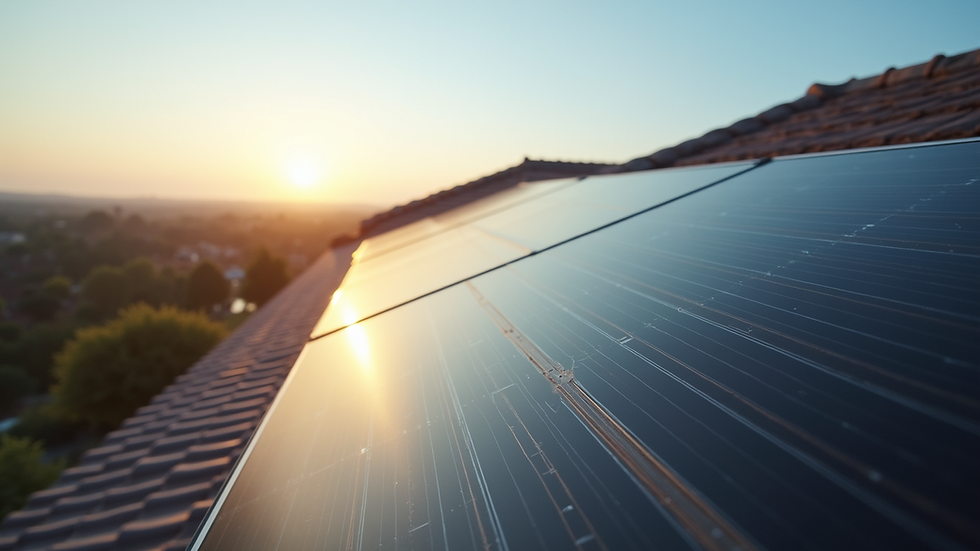
Understanding Solar Energy
Solar energy is derived from the sun's rays and can be converted into electricity or heat. This renewable energy source is not only abundant but also environmentally friendly. By installing solar panels on your property, you can generate your own electricity, which can lead to substantial savings on your energy bills.
How Solar Panels Work
Solar panels consist of photovoltaic (PV) cells that convert sunlight into electricity. When sunlight hits these cells, it creates an electric current that can be used to power your home. Any excess energy generated can often be fed back into the grid, potentially earning you credits or payments from your energy provider.
Types of Solar Panels
There are primarily two types of solar panels available for residential use:
Monocrystalline Panels: Made from a single crystal structure, these panels are known for their high efficiency and sleek appearance. They tend to perform better in low-light conditions and have a longer lifespan.
Polycrystalline Panels: These panels are made from multiple crystal structures and are generally less expensive than monocrystalline panels. While they are slightly less efficient, they still provide a reliable energy source.
The Financial Benefits of Solar Energy
Investing in solar energy can lead to significant financial savings over time. Here are some of the key benefits:
Reduced Energy Bills
By generating your own electricity, you can significantly reduce your monthly energy bills. Depending on the size of your solar installation and your energy consumption, some homeowners report savings of up to 50% or more.
Government Incentives
The UK government offers various incentives to encourage the adoption of solar energy. These include:
Feed-in Tariff (FiT): This program pays you for the electricity you generate and use, as well as for any surplus energy you export back to the grid.
Renewable Heat Incentive (RHI): If you install solar thermal panels, you may be eligible for payments based on the amount of renewable heat generated.
Increased Property Value
Homes equipped with solar panels often see an increase in property value. A study by the U.S. Department of Energy found that homes with solar energy systems sold for an average of 4.1% more than comparable homes without solar.
Environmental Impact
Switching to solar energy not only saves you money but also helps reduce your carbon footprint. Here are some environmental benefits of solar energy:
Reduction in Greenhouse Gas Emissions
Solar energy is a clean source of power that does not produce harmful emissions. By using solar panels, you contribute to a reduction in greenhouse gases, helping combat climate change.
Conservation of Resources
Solar energy reduces the reliance on fossil fuels, which are finite resources. By investing in solar, you are supporting a sustainable energy future.
Getting Started with Solar in South Wales
If you're considering making the switch to solar energy, here are some practical steps to guide you through the process:
Assess Your Energy Needs
Start by evaluating your energy consumption. Look at your past utility bills to determine how much electricity you use on average. This information will help you decide on the size of the solar system you need.
Research Local Installers
Finding a reputable solar installer is crucial. Look for companies with positive reviews, certifications, and experience in the South Wales area. Request quotes from multiple installers to compare prices and services.
Understand the Costs
The cost of solar installations can vary widely based on the size of the system and the type of panels chosen. On average, homeowners in South Wales can expect to pay between £4,000 and £8,000 for a typical residential solar system. However, government incentives can significantly reduce this initial investment.
Explore Financing Options
There are various financing options available for solar installations, including:
Cash Purchase: Paying for the system upfront can provide the best long-term savings.
Solar Loans: Many banks and credit unions offer loans specifically for solar installations, allowing you to pay over time.
Leasing: Some companies offer leasing options where you can install solar panels with little to no upfront cost, paying a monthly fee instead.
Maintenance and Longevity of Solar Panels
One of the advantages of solar panels is their low maintenance requirements. Here are some tips to ensure your system operates efficiently:
Regular Cleaning
While solar panels are designed to withstand the elements, dirt, dust, and debris can accumulate over time. Regular cleaning can help maintain their efficiency. In most cases, rain will naturally clean the panels, but in areas with less rainfall, a gentle wash may be necessary.
Monitoring Performance
Many solar systems come with monitoring tools that allow you to track energy production. Regularly check your system's performance to ensure it is operating at optimal levels.
Professional Inspections
Consider scheduling professional inspections every few years to ensure your system is functioning correctly and to address any potential issues.
Common Misconceptions About Solar Energy
Despite the growing popularity of solar energy, several misconceptions still exist. Here are a few common myths debunked:
Solar Panels Are Too Expensive
While the initial investment can be significant, the long-term savings on energy bills and government incentives can make solar energy a cost-effective choice.
Solar Energy Only Works in Sunny Areas
Solar panels can generate electricity even on cloudy days. While they may produce less energy in low-light conditions, they are still effective in various weather conditions.
Solar Panels Require a Lot of Maintenance
As mentioned earlier, solar panels require minimal maintenance. Regular cleaning and occasional inspections are usually sufficient to keep them in good working order.
The Future of Solar Energy in South Wales
As technology continues to advance, the future of solar energy looks promising. Innovations in solar panel efficiency and battery storage are making solar energy more accessible and affordable for homeowners.
Community Solar Projects
In addition to individual installations, community solar projects are gaining traction in South Wales. These initiatives allow multiple households to share the benefits of a single solar installation, making it easier for those who may not have suitable roofs for solar panels.
Battery Storage Solutions
Battery storage systems are becoming increasingly popular, allowing homeowners to store excess energy generated during the day for use at night. This technology enhances energy independence and maximizes savings.
Conclusion
Investing in solar energy is a smart choice for homeowners in South Wales looking to save on energy costs while contributing to a sustainable future. With government incentives, reduced energy bills, and the environmental benefits of solar, now is the perfect time to consider making the switch. Take the first step towards energy independence and explore your solar options today.


Comments